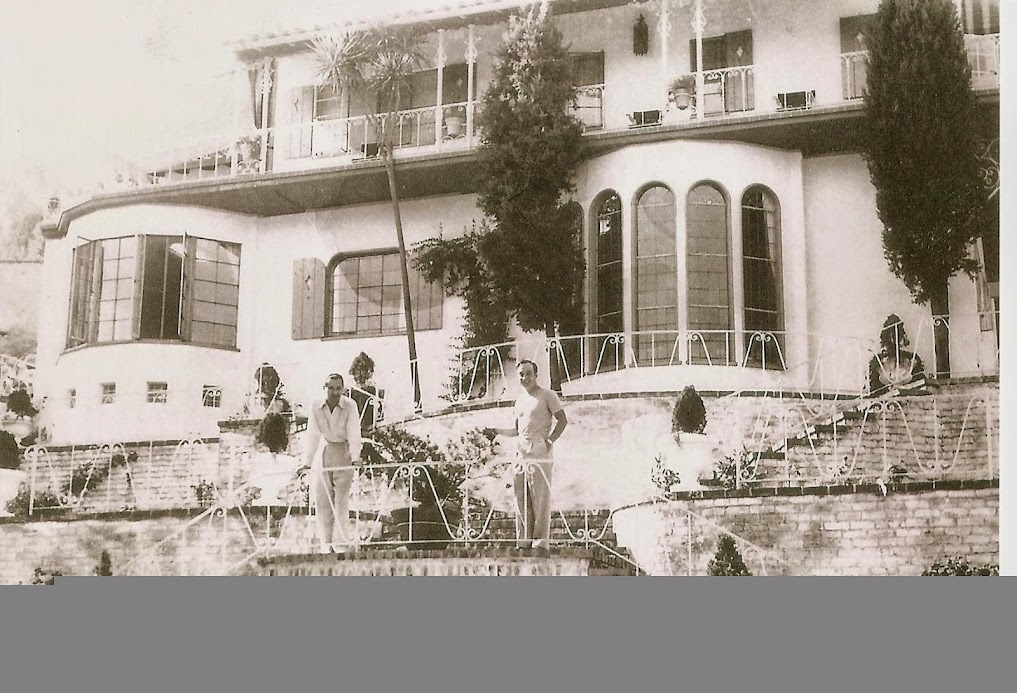
The Foyer
The Maybelline Story
A hundred years of an American cosmetics dynasty, written from the family archive by Tom Lyle Williams’ great-niece.
Villa Valentino · Hollywood · 1938
Coming soon
The next book by Sharrie Williams
Maybe She’s Born With It
The next chapter of the Maybelline family story. Join the waitlist and be first to read it.
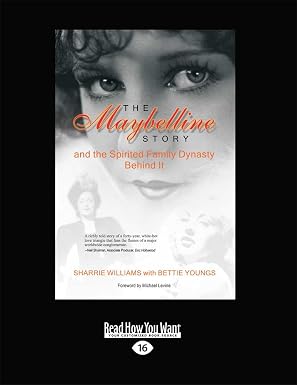
Where it began · The first book
The Maybelline Story and the Spirited Family Dynasty Behind It
The Twelve Rooms
Every part of the house, and what waits inside it
Nineteen years of writing, sorted into four principal rooms and eight smaller ones. Nothing here is more than two clicks from the front step.
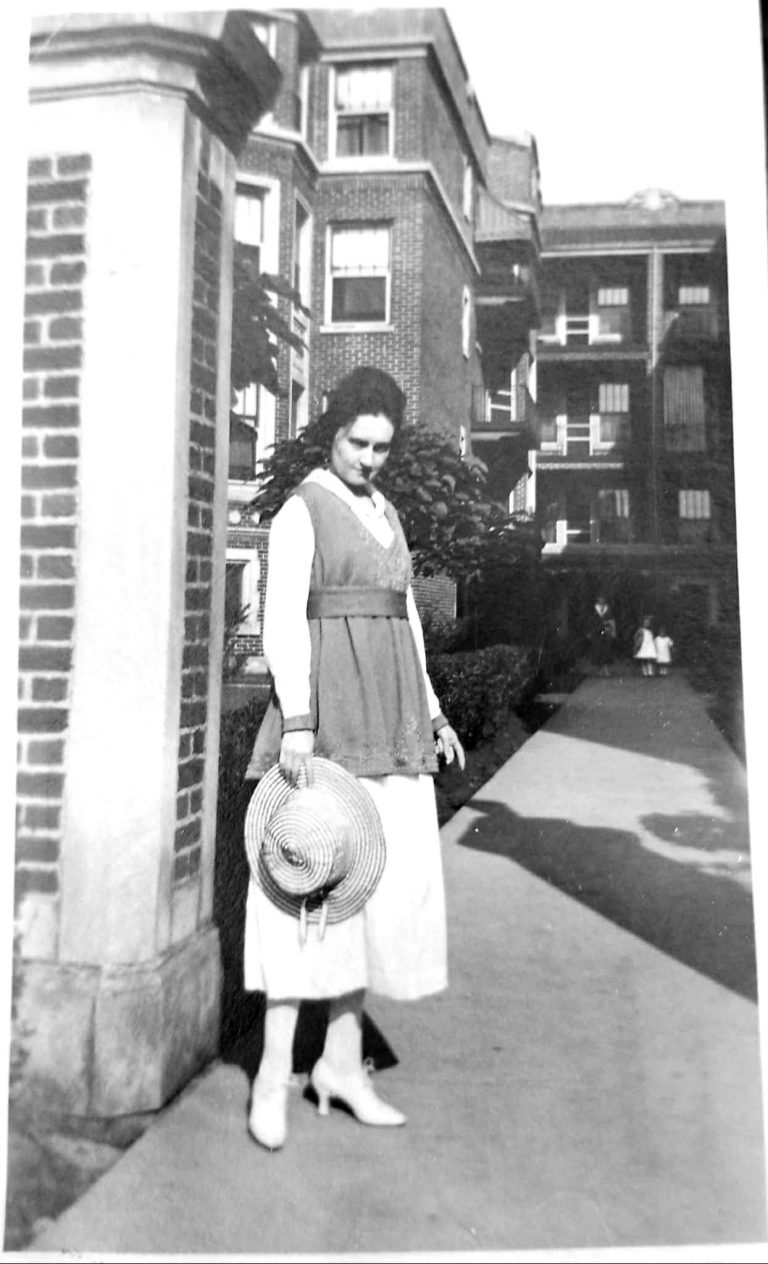 Room I · 202 posts
The Study
Founder and brand history. How a kitchen-table lash remedy became an American empire.
Enter the room →
Room I · 202 posts
The Study
Founder and brand history. How a kitchen-table lash remedy became an American empire.
Enter the room →
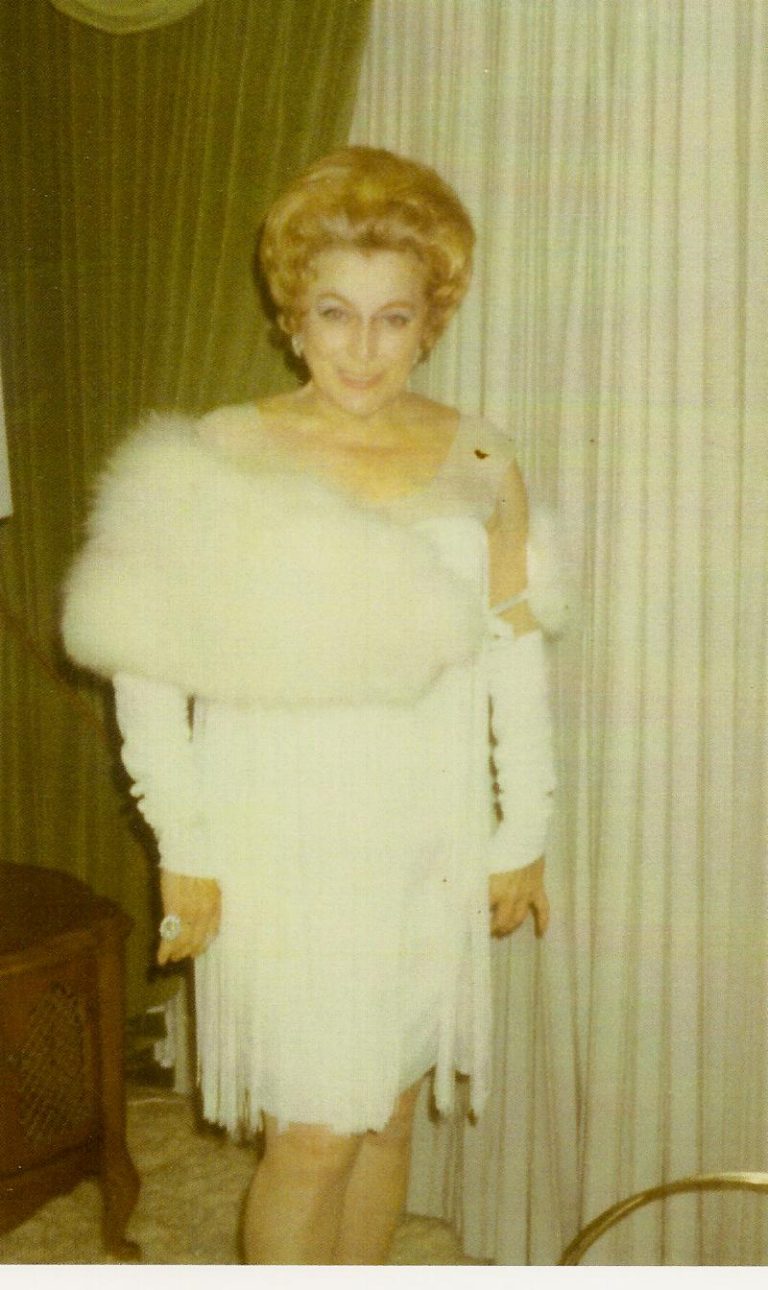 Room II · 31 posts
The Parlor
The cold case. Evelyn Williams’ death, the theories, and the public record.
Enter the room →
Room II · 31 posts
The Parlor
The cold case. Evelyn Williams’ death, the theories, and the public record.
Enter the room →
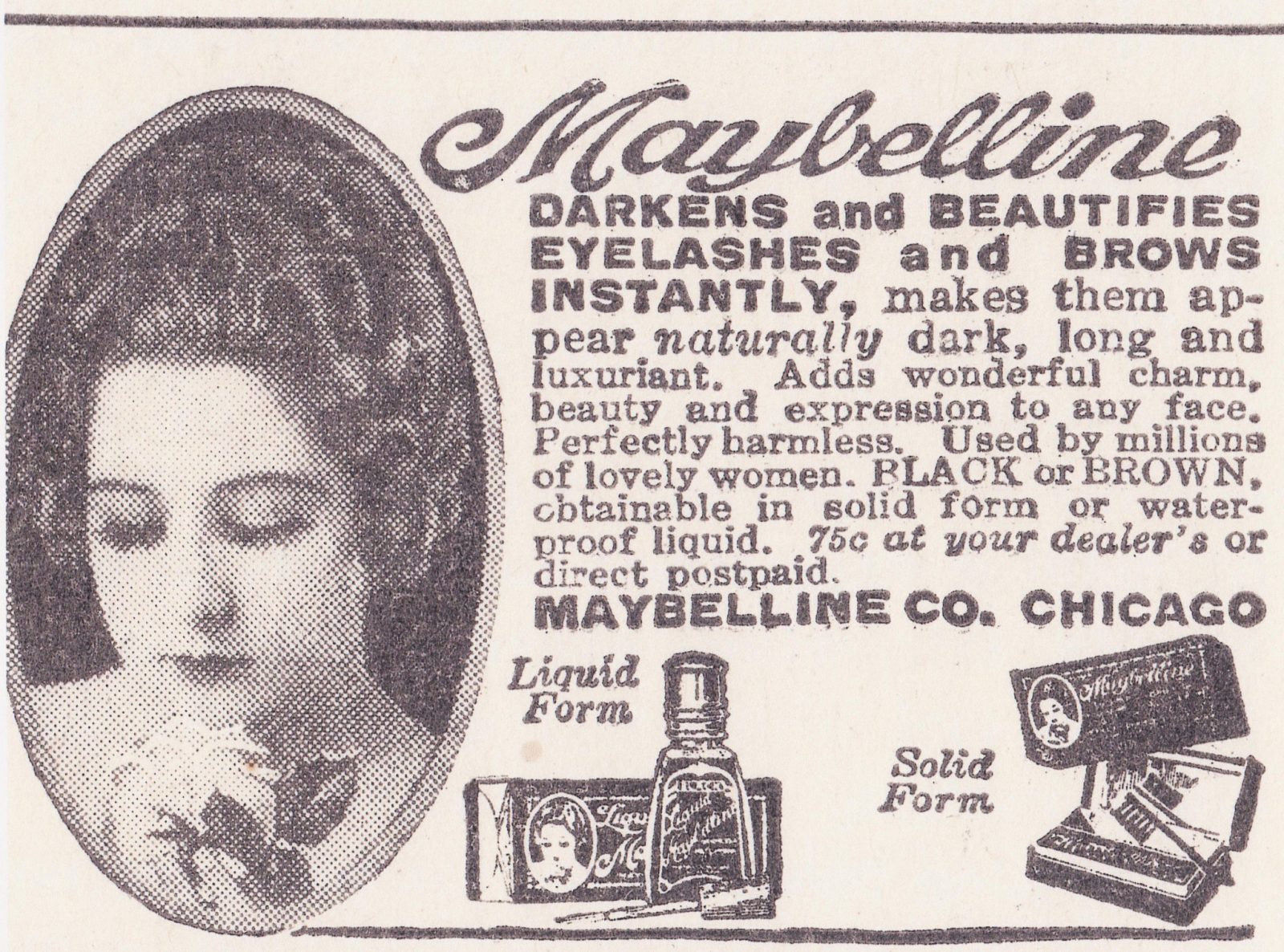 Room III · 34 posts
The Gallery
Vintage advertising and packaging, hung as plates — every carton, card and ad.
Enter the room →
Room III · 34 posts
The Gallery
Vintage advertising and packaging, hung as plates — every carton, card and ad.
Enter the room →
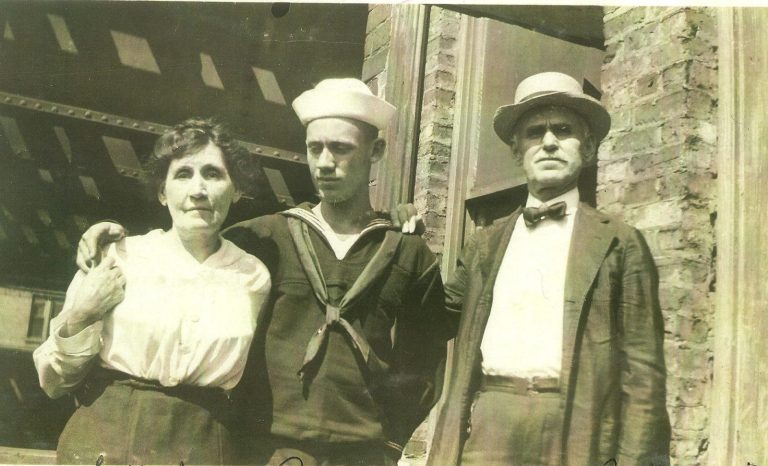 Room IV · 255 posts
The Family Wing
The dynasty itself. Preston, Mabel, Noel, the marriages and the mansions.
Enter the room →
Room IV · 255 posts
The Family Wing
The dynasty itself. Preston, Mabel, Noel, the marriages and the mansions.
Enter the room →
The smaller rooms
V
The Library
Interviews, newspapers, magazines and radio coverage of the family and its story.
165 posts
VI
The Vanity Room
Beauty and cosmetics — the products, the faces, the advertising.
180 posts
VII
The Archive
Everything ever published, by year and by room.
VIII
The Studio
Hollywood and the stars of Maybelline’s Hollywood-era advertising.
215 posts
IX
The Garage
Packards, custom cars and car shows connected with the Williams family.
31 posts
X
The Greenhouse
Villa Valentino, Bel Air, Laguna Beach, Palm Springs — the family’s places.
50 posts
XI
The Ballroom
Holidays, parties and occasions — Christmas to Valentine’s Day.
21 posts
XII
The Pool House
Everything else — recipes, guests, miscellany.
168 posts